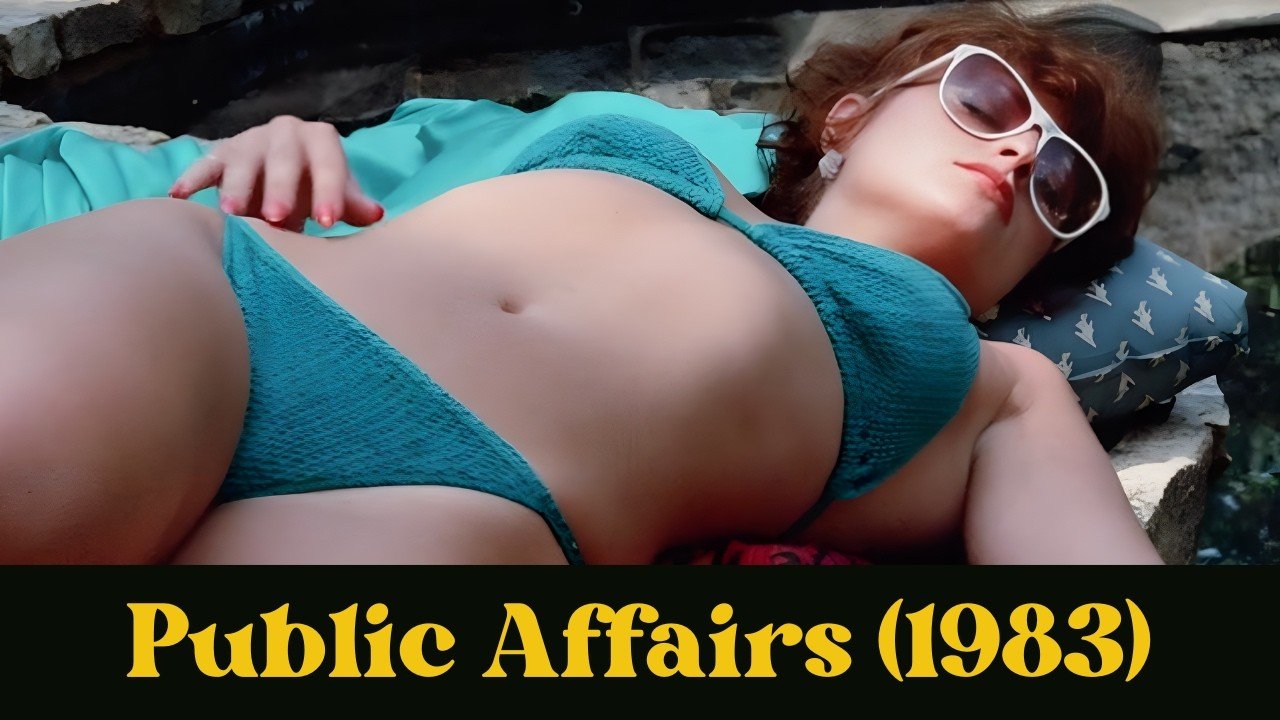
In 1983, “Public Affairs” emerged as a bold political satire that redefined the boundaries of adult film. Directed by Henri Pachard and produced by Joyce Snyder, this film combined humor and provocative content, capturing the essence of an era obsessed with moral standards while simultaneously revealing the irony behind it. With a stellar cast that included iconic names like Paul Thomas and Annette Haven, the movie went beyond the usual genre limits, presenting a unique and unflinching look at societal hypocrisy.

This piece takes you through the fascinating journey of “Public Affairs,” exploring its groundbreaking approach to storytelling and its impact on the adult film industry. Expect to uncover how this film challenged conventions and ignited conversations that still resonate today, offering a glimpse into the cultural landscape of the 1980s.
Overview of Public Affairs
Release Date and Context
“Public Affairs” hit the screens in 1983, a time when the political landscape of America was becoming increasingly polarized. This film emerged during a period marked by the rise of Ronald Reagan, the Cold War anxieties, and a burgeoning moral conservatism that permeated culture. Director Henri Pachard and writer-producer Joyce Snyder created a film that sparked conversations and challenged societal norms, positioning itself as a memorable commentary amidst the historical context of its release.
Cultural Significance in 1983
The early ’80s were rife with contradictions. On one hand, there was an emphasis on traditional family values; on the other, a thriving counterculture that pushed boundaries in every field—particularly in film. “Public Affairs” played with these dynamics, illustrating the absurdity of American ideals when juxtaposed against the innate human desires often suppressed in public discourse. By boldly addressing themes of hypocrisy and morality, the film found itself both a reflection of its time and a crucial commentary on the ongoing societal struggles around sexuality and politics.
The Film’s Genre and Unique Approach
What sets “Public Affairs” apart is its unique take on the adult film genre—it’s more than just a collection of scenes. This movie integrates elements of political satire, delivering a narrative that critiques the very systems it operates within. While many adult films might have been content to merely titillate, Pachard and Snyder’s work serves a dual purpose: entertaining while provoking thought, making it a standout film that still resonates today.
Creators Behind Public Affairs
Director Henri Pachard’s Vision
Henri Pachard was a visionary in the realm of adult cinema, recognized for his ability to blend narrative depth with eroticism. In “Public Affairs,” his direction pushes the envelope, expertly navigating the fine line between salacious content and sharp social critique. Pachard’s knack for storytelling allowed him to create a narrative that was as engaging as it was provocative, setting a standard for future filmmakers.
Writer-Producer Joyce Snyder’s Contributions
Joyce Snyder was instrumental in shaping “Public Affairs.” As a writer-producer, she infused the screenplay with wit and incisiveness, crafting dialogues that sparkled with humor and intelligence. Snyder’s experience in the industry meant she had keen insights into both the erotic and narrative elements that needed to harmonize, making her contributions vital to the film’s success.
The Collaborative Efforts of Key Crew Members
The magic of “Public Affairs” didn’t stop with Pachard and Snyder. A talented crew worked behind the scenes, helping to ensure the film’s ambitious vision was realized. From the cinematographers capturing the bustling New York streets to the editors shaping the final cut, every member played a role in crafting a memorable experience that transcended typical adult film fare.
Plot Summary
Overview of the Film’s Narrative
“Public Affairs” is set against the backdrop of a mock political campaign, where the characters navigate love, lust, and the absurdities of American politics. The story weaves through various encounters that highlight the clashes between public personas and private desires—ultimately revealing the contradictions that define the pursuit of power and pleasure in American society.
Characters and Their Arcs
The film introduces a colorful array of characters, each representing different facets of the political landscape and its intersecting moral queries. Protagonists grapple with their ambitions, exploring how these are often compromised by their more primal yearnings. With layered arcs, the characters evolve as they confront their own contradictions amidst the chaos of the campaign trail, offering viewers a mirror reflecting the complexities of human nature.
Themes and Satirical Elements
At its core, “Public Affairs” is steeped in satire. It cleverly pokes fun at the sanctimonious attitudes that dominated political discourse, exposing the hypocrisy beneath the polished exteriors of its characters. Themes of lust versus virtue, power dynamics, and moral hypocrisy are intertwined seamlessly with humor and bold storytelling, making for a narrative that is as thought-provoking as it is entertaining.
Casting Choices
Legendary Performers in Notable Roles
A standout aspect of “Public Affairs” is its stellar cast, which features legendary performers such as Paul Thomas, Annette Haven, Kelly Nichols, Robert Kerman, Annette Heinz, and Joey Silvera. Their performances elevate the material, bringing both charisma and depth to their roles. Each actor embodies the essence of their character, reflecting the various aspects of societal expectations and personal desires.
Impact of the Cast on the Film’s Reception
The casting choices proved to be a significant asset in the film’s reception. With their established credibility in the adult film industry, these actors drew audiences in and added layers of authenticity to the satirical narrative. The chemistry among the cast not only sold the film’s erotic elements but also rendered the comedic aspects all the more engaging.
Chemistry Among the Actors
The rapport between the performers shines on screen, creating a palpable sense of camaraderie that enhances the viewing experience. This natural chemistry furthers the film’s dual nature; it allows for moments that are both charged with sensuality and steeped in absurdity. Their interactions become a vehicle for the film’s critique of American political and social norms, all while maintaining a sense of engaging fun.
Filming Techniques and Style
Use of 35mm Film and Real Locations
Pachard’s decision to shoot “Public Affairs” on 35mm film gives it a vibrant, textured quality, setting it apart from the more stylized, often static imagery characteristic of many adult films. Utilizing real locations throughout New York also enriches the film’s authenticity, grounding its narrative in a tangible, relatable setting that enhances the political satire’s impact.
Cinematographic Choices
The cinematography in “Public Affairs” is deliberately crafted, employing a mix of wide shots to capture the bustling atmosphere of political rallies and intimate close-ups that reveal the characters’ deeper emotions and motivations. This careful composition helps to juxtapose the public spectacle of politics with the private realities of desire, reinforcing the film’s central themes.
Art Direction and Set Design
The art direction and set design play a pivotal role in establishing the film’s satirical tone. From the exaggerated decor of campaign offices to the bustling streets filled with eager voters, every detail is meticulously curated to reflect the absurdity of the political process. This dedication to visual storytelling allows for a richer viewing experience, drawing audiences into the world of “Public Affairs.”
Political Commentary in Public Affairs
Critique of American Morality
“Public Affairs” boldly critiques the moral landscape of America, dissecting the contradictions between public morality and private indulgence. It challenges the audience to confront uncomfortable truths about the societal norms that dictate behavior, illustrating how hypocrisy often masquerades as virtue. The film’s sharp commentary about moral purity resonates even in today’s political climate.
Reflection of Political Climate in 1983
The early ’80s were an era rife with tension, and the film mirrors this tumultuous landscape with a satirical lens. As the Reagan administration espoused a return to conservative values, “Public Affairs” counters this narrative by revealing the underbelly of these ideals. The result is a provocative exploration of the political climate, infused with relevance for viewers navigating contemporary issues.
Implications for Future Political Discourse
In examining the interplay between sex and politics, “Public Affairs” leaves a lasting impact on how we consider the conversation around these topics. Its daring take invites audiences to question the motivations behind political decisions and the often-hidden nexus between desire and morality, potentially influencing future dialogues surrounding political discourse and personal values.
Reception and Impact
Initial Critical Responses
Upon its release, “Public Affairs” garnered a mix of responses. Critics lauded it for its audacious blend of explicit content with thoughtful political satire, while some traditionalists dismissed it due to its frank approach to sexuality. However, it managed to carve out a niche for itself by appealing to audiences who appreciated its unique take on both the adult film genre and political commentary.
Audience Reactions Over Time
Over the years, audience perceptions have evolved. The film is often regarded fondly by fans of adult cinema for its ambitious narrative and engaging performances. With contemporary audiences revisiting it, “Public Affairs” is now seen more as a historical artifact than just an adult film, prompting discussions about its significance in the larger context of cinema history.
Legacy in Adult Film and Beyond
“Public Affairs” has solidified its legacy not only in the realm of adult cinema but also in the broader context of film history. Its unique approach to political satire paved the way for other works that sought to push boundaries and explore complex themes. As discussions around morality, sex, and politics continue, the film remains a touchstone, inspiring filmmakers to blend genres and incorporate social commentary into their narratives.
Public Affairs and Pop Culture
Influence on Other Films and Media
The influence of “Public Affairs” extends beyond its immediate audience. By intertwining humor with overt sexuality, it set a precedent for later films that sought to mix genres, showcasing how adult themes could be addressed without sacrificing narrative depth. Its legacy is evident in works that continue to tread similar territory, paving the way for future explorations of similar themes.
Parodies and References in Subsequent Works
In its wake, “Public Affairs” has been referenced in various works across multiple media. These nods serve to highlight its cultural impact, with parodies and allusions integrating its thematic elements into a variety of formats. Whether in television shows or satirical films, echoes of its groundbreaking approach can still be felt, confirming its relevance in pop culture.
Contributions to the Political Satire Genre
As one of the early adopters of political satire within adult film, “Public Affairs” significantly contributed to defining this sub-genre. The film’s unapologetic examination of American politics through a comedic lens has encouraged subsequent filmmakers to take creative risks, blending sexual themes with social critique, effectively shaping the landscape of political satire in film.
Preservation and Restoration Efforts
Challenges in Preserving Adult Films
The preservation of adult films presents unique challenges, often stemming from cultural stigmas that influence both access and funding for restoration efforts. “Public Affairs” is no exception; as a work that combines both explicit content and incisive political commentary, it teeters in a gray area that complicates preservation initiatives. Sinematic preservationists face the task of not only restoring visual and audio quality but also capturing the cultural significance of such films.
Technological Advancements in Restoration
Recent technological advancements in film restoration have made it possible to breathe new life into classic films like “Public Affairs.” From high-resolution digitization to advanced color correction, these tools allow for a more accessible experience for new generations of viewers. Such efforts not only help preserve the film itself but also ensure its legacy endures in the public consciousness.
Importance of Historical Context
Preserving “Public Affairs” entails recognizing its historical context; it reflects broader societal issues and attitudes not just toward sexuality, but toward politics and morality in America. Ensuring this film remains accessible and understood in its full context allows for deeper discussions about its themes, encouraging viewers to examine the intersection of sex, moral values, and politics in contemporary society.
Conclusion
Enduring Relevance of Public Affairs
“Public Affairs” continues to resonate, reflecting pressing issues that are just as pertinent today as they were in 1983. Its audacity in tackling complex topics sets it apart, presenting a daring look at the intertwining of politics and personal desire. As societal attitudes toward sex and politics continue to evolve, the film’s insights remain strikingly relevant.
Reflection on Political Satire Today
Political satire has gained renewed traction in contemporary cinema, with many works drawing from the foundation that films like “Public Affairs” helped lay. The blurred lines between public morality and private inclinations are explored in ways that challenge viewers to think critically, echoing the sentiments of Pachard and Snyder’s original creation.
Final Thoughts on the Film’s Place in Cinema History
In the realm of cinema history, “Public Affairs” occupies a unique niche. It embodies a bold exploration of taboo topics within a societal framework, advancing the discussion around the intersection of sexuality and politics. As we reflect on its place in film history, it’s clear that this provocative work remains a crucial point of reference, inviting audiences to continue the conversation around the underlying themes it so daringly addresses.