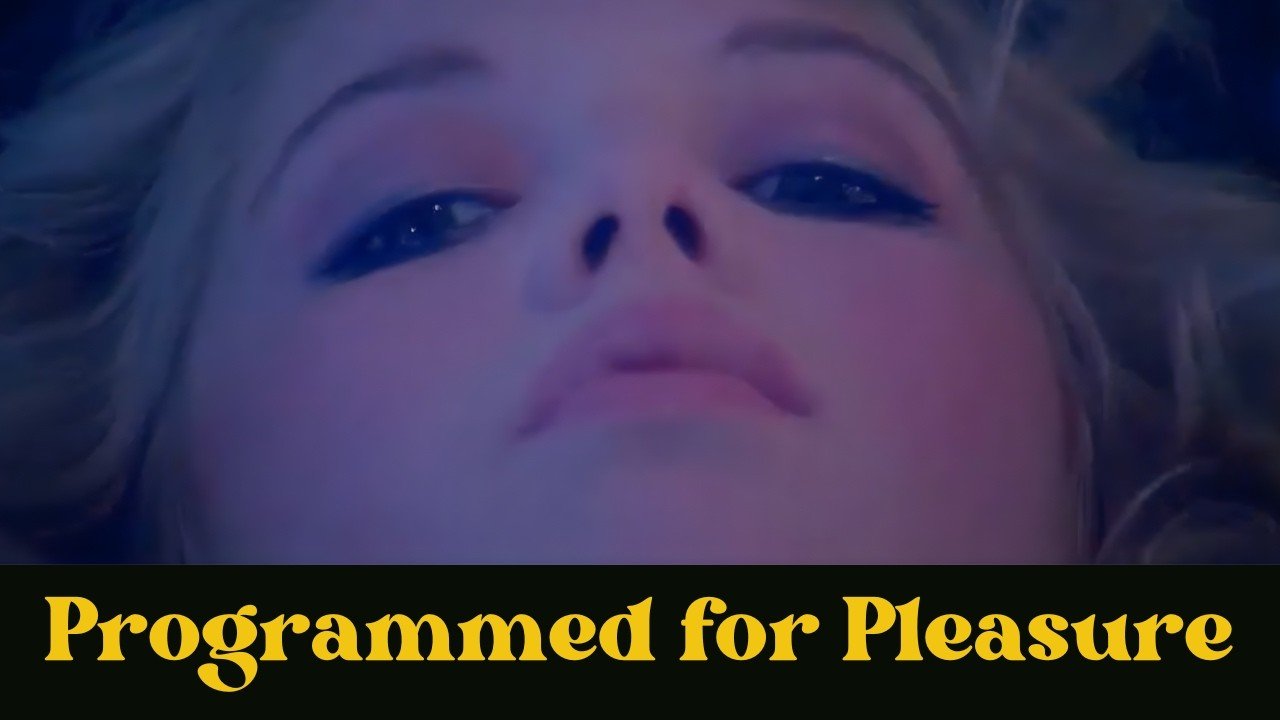
Step into the world of “Programmed for Pleasure,” a 1981 French film that blurs the lines between science fiction and adult cinema. Directed by Claude Mulot, this obscure masterpiece features a synthetic woman named Kim, portrayed by Marilyn Jess, created for desire and companionship. With its smooth, minimalist aesthetic and an atmospheric score, the film evokes a haunting exploration of technology, loneliness, and control, reminiscent of classics like “Blade Runner” and “Ex Machina.”

In this exploration, you’ll uncover the story behind the film’s production, its distinctive style, and the profound themes that emerge from its narrative. You’ll discover how, decades later, this forgotten gem resonates with the dystopian realities popularized by shows like “Black Mirror.” Join in as the video reveals the lasting influence of “La Femme Objet” and why it deserves a place in the conversation about cinematic reflections on our relationship with technology.
Overview of the Film
Plot Summary
“Programmed for Pleasure,” originally titled “La Femme Objet,” invites you into a world where the lines between humanity and machinery blur. Set against the backdrop of a sleek, minimalist future, the narrative centers on Kim, a synthetic woman designed for the ultimate gratification. Played by the captivating Marilyn Jess, she embodies desire—both a product and a muse. The story unfolds through Nicolas, a troubled writer portrayed by Richard Allan, who finds himself entangled in a web of creation and control. As Nicolas programs Kim to fulfill his fantasies, the film dives deep into the complexities of desire, autonomy, and the human condition itself, ultimately asking what it means to feel and to be alive. The juxtaposition of cold technology and warm, visceral emotions makes for a tale that resonates beyond its era.
Key Themes and Motifs
At its core, “Programmed for Pleasure” wrestles with profound themes of identity, control, and the quest for genuine connection in an increasingly mechanized world. It raises questions about the nature of love and intimacy when interlaced with technology. The film’s motifs—such as surveillance and the objectification of women—serve as a critique of societal norms, suggesting that our desires may lead us to create creatures that reflect our own frailties and follies. In essence, it is a meditation on the follies of a society enamored with convenience and control at the possible expense of emotional authenticity.
Cultural Context of the 1981 Release
Released in 1981, the film emerged during a time when society was grappling with rapid technological advancements and the sexual liberation movement. The late 70s and early 80s ushered in a new wave of adult content—this was an era of both liberation and exploitation. Audiences were curious, yet cautious, about the implications of technology on intimacy. “Programmed for Pleasure” not only filled a niche in adult cinema but also presaged a discourse around gender dynamics and evolving relationships in the face of technological progress, marking its cultural significance as both timely and timeless.
Comparison with Black Mirror
Themes of Dystopia and Technology
When you think of “Black Mirror,” you may imagine chilling tales of dystopian futures where technology reigns supreme. Likewise, “Programmed for Pleasure” shares a chilling aesthetic where humanity’s reliance on technology leads to chilling outcomes. While “Black Mirror” often illustrates humanity’s downfall at the hands of its own creations, “Programmed for Pleasure” hints at a more melancholic outcome: a longing for connection in a robotic embrace. Both narratives explore the duality of technology as both a liberator and a captor.
Exploration of Human Nature
Just as “Black Mirror” delves into the darker aspects of human nature, “Programmed for Pleasure” challenges you to consider the moral implications of creating life in your image. While “Black Mirror” often serves as a cautionary tale, pushing characters toward moral reckoning, the protagonists in “Programmed for Pleasure” navigate their own moral quandaries through intimate relationships with artificial beings, reflecting the complexities and contradictions inherent in human desire and agency.
How Explicit Content Enhances the Narrative
In both works, explicit content serves a purpose beyond mere titillation. In “Programmed for Pleasure,” the sensual scenes complement the exploration of human connection, creating a paradox where intimacy coexists with the artificial. The explicit nature of the film pushes boundaries, forcing viewers to confront their own beliefs about sexuality and autonomy. Similarly, “Black Mirror” often employs visceral imagery to enhance its critical commentary on our relationship with technology, adding layers of meaning to the narrative.
Notable Characters
Protagonist’s Journey and Development
You follow Nicolas, a complex protagonist caught in the tumult of isolation and desire. Initially portrayed as the archetypal ‘man in control,’ his journey is one of deconstruction as he grapples with what it means to love—both a synthetic being and himself. As the line blurs between creator and creation, the allure of power begins to tarnish, leading to moments of existential reflection that mirror our own struggles with longing and loneliness.
Antagonists and Their Motivations
Though not traditional antagonists with malevolent intentions, the societal constructs surrounding Nicolas act as his biggest challenges. The implicit expectations and ideologies of masculinity, autonomy, and desire serve as the true antagonists, encouraging viewers to consider how these factors shape the relationships we forge—both with each other and ourselves.
Supporting Characters and Their Roles
The supporting characters in “Programmed for Pleasure” serve to enrich your understanding of both Kim and Nicolas. Each character reflects various facets of human experience—loneliness, desire, ambition, and regret—acting as mirrors that intensify the film’s central themes. For instance, even though Kim is a synthetic entity, her interactions with Nicolas and others reveal deeper truths about vulnerability and the human experience.

Cinematic Techniques
Filming Style and Aesthetic Choices
“Programmed for Pleasure” employs a filming style that is sleek and minimalistic, complementing its futuristic narrative. The cool, polished surfaces of the film’s settings evoke both allure and discomfort, paralleling the aesthetic of other iconic sci-fi films of the time. The visual style fosters an emotional detachment, inviting you to explore the undercurrents of desire that run beneath its surface.
Use of Lighting and Sound Design
Lighting plays a critical role in setting the tone of the film. The chiaroscuro effects illuminate the duality of desire and isolation, drawing you deeper into the emotional landscapes of the characters. Coupled with a haunting electronic score by Jean-Claude Nachon, the sound design enriches your experience, invoking feelings of melancholy and urgency that resonate long after the film ends.
Symbolism and Visual Metaphors
In “Programmed for Pleasure,” symbolism reigns supreme. From Kim’s synthetic form representing societal ideals of beauty and perfection to the minimalist settings capturing emotional barrenness, each visual element serves as a metaphor for human frailty and longing. As you reflect on these choices, the film becomes not just a narrative but a compelling artwork that lingers in your mind.
Reception and Impact
Critics’ Reviews at the Time of Release
Upon its release, “Programmed for Pleasure” garnered mixed reviews from critics who struggled with its dual nature of being an adult film and a philosophical exploration of technology and desire. Some praised its provocative themes, while others critiqued it for its explicit content, often missing the nuanced discourse that lay beneath. Nonetheless, it found its audience, capturing the curiosity of those willing to examine its deeper messages.
Cult Following and Re-evaluation Over the Years
Over the years, “Programmed for Pleasure” has developed a cult following, slowly being re-evaluated as a significant work that blended adult cinema with a critical lens on technology and intimacy. Its ability to provoke thought and conversation has earned it a place in cinematic discussions, drawing comparisons to modern classics and positioning it as a precursor to contemporary studies of human interaction within technological frameworks.
Influence on Future Film and Television
The influence of “Programmed for Pleasure” can be traced through various later cinematic works that explore themes of artificial intelligence and human connection. Its unsettling questions about autonomy and desire paved the way for films and television shows that challenge the relationship between technology and human emotions, laying groundwork for what you might recognize in works like “Ex Machina” and, of course, “Black Mirror.”
Exploring Adult Themes
Portrayal of Sexuality and Relationships
“Programmed for Pleasure” presents sexuality as a complex interplay between agency and objectification, challenging you to consider the nuances of eroticism and connection. The film portrays relationships not merely as physical experiences but as emotional landscapes filled with expectations and conflicts, igniting a discourse around consent, authenticity, and fulfillment.
Themes of Consent and Power Dynamics
The film intricately wades into the murky waters of consent and power dynamics, particularly evident in the creator-creation relationship between Nicolas and Kim. As you navigate their interactions, the ethical implications become increasingly profound, forcing you to question the morality of control within relationships, whether human or synthetic.
Comparative Analysis with Contemporary Adult Films
When you place “Programmed for Pleasure” side by side with contemporary adult films, you might notice a stark contrast in how themes of sexuality are approached. While many modern adult films often prioritize spectacle, this 1981 classic infuses its narrative with philosophical inquiries, revealing a more intricate relationship between sex, identity, and technology that resonates in today’s discussions about sexual representation.
Cultural Significance
Reflection of Societal Anxieties in 1981
The film captures the pervasive anxieties of the early 80s concerning technology’s encroachment on human relationships, reflecting a society undergoing rapid changes. As the world was on the cusp of becoming increasingly interconnected through the early stages of digital technology, “Programmed for Pleasure” serves as a prophetic exploration of these tensions, speaking to the collective uncertainty felt during that time.
Relevance to Current Issues in Technology and Intimacy
Fast forward to today, and the themes explored in “Programmed for Pleasure” remain remarkably relevant. You may find parallels in ongoing discussions about virtual relationships, artificial intelligence, and human intimacy, signaling that the film’s inquiries into technology and its implications for personal connection are far from outdated.
Intersection of Eroticism and Social Commentary
The film succeeds in weaving eroticism with sharp social commentary, challenging viewers to re-evaluate the relationships we cultivate in an increasingly digital and commodified world. It serves as a reminder that desire, when mingled with machinery, provokes important reflections on power, identity, and what it means to be human—or, in this case, a programed being.
Behind the Scenes
Director’s Vision and Challenges
Director Claude Mulot faced the challenge of creating a film that balanced eroticism with a genuine narrative. His vision aimed to explore themes that would resonate far beyond the confines of adult cinema while still drawing in a captivated audience. This balancing act posed both creative opportunities and risks, leading to a film that is both provocative and thought-provoking.
Casting Choices and Their Significance
The casting of Marilyn Jess and Richard Allan was deliberate, each embodying their roles while simultaneously challenging audience perceptions. Their performances compel you to ponder the meanings assigned to their characters, blurring the lines between actor and role, creator and creation. This casting decision subtly reinforces the film’s themes of objectification versus genuine connection.
Production Notes and Anecdotes
Production anecdotes shed light on the film’s unique place within both the adult and science fiction genres. The use of innovative filming techniques alongside its robust commentary on technology and intimacy reflects the daring spirit of the filmmakers. Through a lens tinted with artistry and barren emotion, “Programmed for Pleasure” emerged as an unexpected classic that defied expectations.
Viewer Reception and Interpretation
Audience Demographics and Psychographics
Initially viewed by a niche audience seeking adult content, “Programmed for Pleasure” has attracted a more diverse audience over the years. Today, it finds resonance with amateurs and serious film historians alike, as both groups appreciate its complex themes and aesthetics. The demographic appeal illustrates the film’s layered narrative, inviting you to explore its deeper meanings.
Diverse Interpretations of the Film’s Message
Viewers often engage with the film through varied lenses—some might view it as a purely erotic piece, while others might resonate with its existential concerns. Such interpretations highlight the film’s depth, making it a rich subject for analysis within both academic and casual discussions. The mere act of watching it becomes an invitation to question your own understanding of desire and technology.
Public Reaction and Discourse
When audiences first encountered “Programmed for Pleasure,” reactions spanned from intrigue to disapproval. Today, public discourse surrounding the film has evolved, with many now recognizing its artistic courage and probing thematic queries. This shift reveals the transformative power of cinema to shape and reshape societal narratives over time.
Conclusion
Summary of Key Insights
Through exploring “Programmed for Pleasure,” you uncover a film that serves as a multi-layered reflection on desire, autonomy, and technology. Its themes are both timeless and eerily prophetic, engaging with questions that continue to resonate today. The film’s cinematic techniques and bold character portrayals enrich its ability to provoke thought and stimulate conversation.
Final Thoughts on the Intersection of Adult Content and Social Commentary
“Programmed for Pleasure” invites you to challenge preconceived notions of adult films as solely superficial eroticism. Instead, it emerges as a significant contribution to cinema that fuses adult content with profound social commentary, enhancing your understanding of both human relationships and technological progress.
Future Implications for Similar Content in Film and Television
As we continue to navigate an era where technology influences every facet of our lives, the implications of films like “Programmed for Pleasure” become increasingly significant. It paves the way for future narratives that explore the complex intersections of intimacy and technology, ensuring that conversations around desire, ethics, and authenticity remain ever pertinent in both film and television endeavors.