
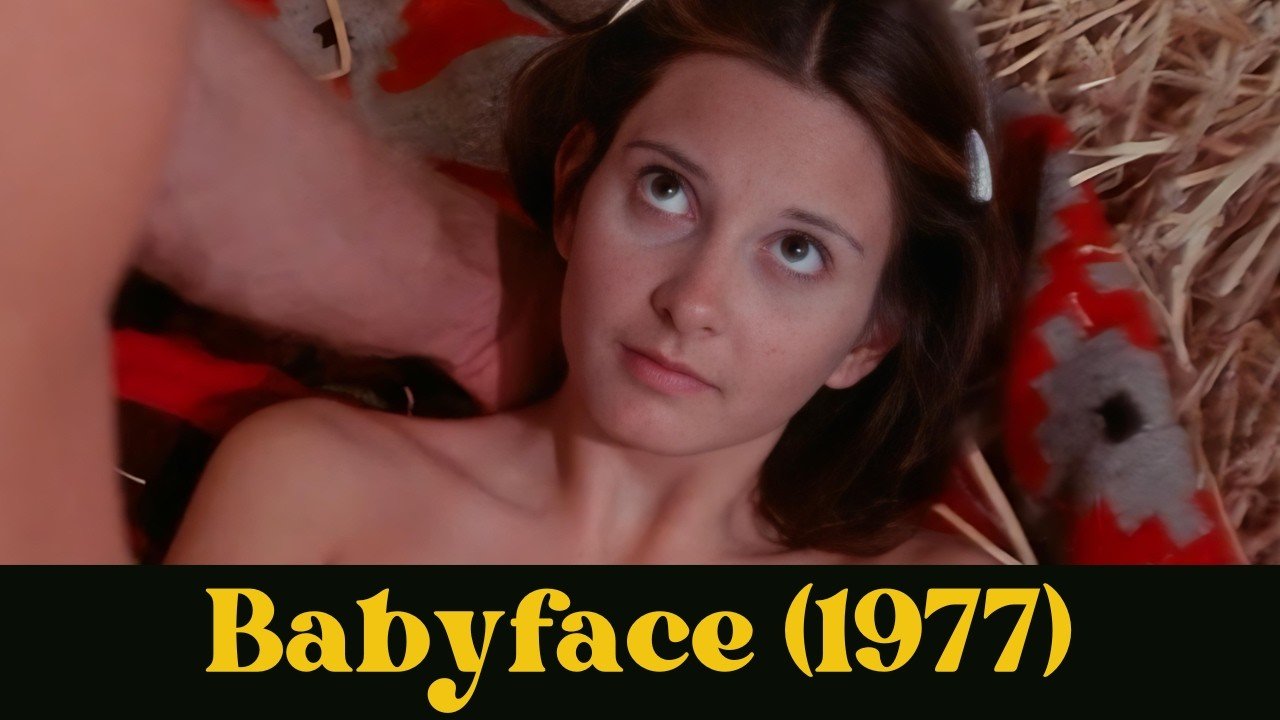
In the vibrant landscape of the 1970s adult film industry, few productions stand out like “Babyface.” Directed by Alex de Renzy, this film presents a raw, stylish depiction of life at an all-male brothel, blending compelling storytelling with striking visuals. Set against the backdrop of San Francisco and its surrounding areas, this cinematic work has become one of the defining pieces of its era.
The video explores the making of “Babyface,” shedding light on its fascinating characters and behind-the-scenes stories. You’ll discover insights into the film’s star-studded cast, including Dan Roberts and Lyn “Cuddles” Malone, and why this controversial classic continues to spark debates among enthusiasts of the genre. Uncovering the artistry and impact of “Babyface” reveals not just a film but a cultural moment that resonates even today.
The Making of Babyface (1977) | An X-Rated Industry Classic
Historical Context of Adult Film in the 1970s
Emergence of X-Rated Films
So, let’s take a stroll back to the groovy 1970s, shall we? This era marked a dramatic shift in the landscape of cinema, especially when it came to adult films. Prior to this decade, adult films existed but often lurked in the shadows of society. However, with the decency laws loosening up and obscenity judgments being redefined, X-rated films began to emerge as a fully-fledged genre. You could find them popping up in art houses and even some mainstream theaters. It was like the world had collectively decided to embrace sexuality more openly and, well, the tides of change were rolling in.
Cultural Shifts and Sexual Liberation
Oh, the 1970s! A time of liberation, experimentation, and, let’s be honest, a whole lot of fun. The sexual revolution was in full swing, thanks to a cocktail of feminism, the birth control pill, and counterculture movements. Society was beginning to peel back the layers of sexual repression that had been tightly wound for far too long. This cultural shift not only influenced mainstream cinema but also spilled over into the adult film realm, paving the way for more bold storytelling and themes. It was a time when people were exploring their desires and, more importantly, understanding that sex could be an art form, not just a taboo.
Key Figures in the Adult Film Industry
During this transformative period, several key figures emerged who would shape the adult film industry. Directors like Gerard Damiano and Paul Thomas were making waves, setting the stage for the likes of Alex de Renzy, whose film Babyface would push boundaries. Actors, too, became icons, creating a new breed of celebrity. You had Hedy Lamarr making headlines not in Hollywood, but in the world of adult films. These personalities helped to redefine the image of adult cinema, turning it into something that could be appreciated for its artistry rather than shunned for its explicit content.
Overview of Babyface (1977)
Plot Summary
Now, let’s talk about Babyface, shall we? Released in 1977, this film tells the tale of Dan (played by Dan Roberts), a dockworker who’s down on his luck and finds himself running from a not-so-great life. He ends up in an all-male brothel that caters to women, overseen by the formidable character known as “Champ.” The narrative navigates the shaky ground between vulnerability and masculinity, showcasing a story that isn’t just about sex, but also about identity, survival, and what it means to be “a man” in a changing world. Honestly, it reads like an emotional rollercoaster, only with more questionable choices and unexpected twists.
Themes and Motifs
When you dig into Babyface, you find a treasure trove of themes interwoven throughout the film. The exploration of male vulnerability stands out like a neon sign in the night. At its core, the movie challenges traditional ideas of masculinity, revealing the emotional struggles that Dan faces in a place where he’s supposed to be tough and resilient. Just when you think you’ve got it all figured out, the film flips the script—showing how sexuality and societal expectations can clash in the most unexpected ways.
Cinematic Style
The cinematic style of Babyface is something you’ll want to sit up and take note of. Alex de Renzy, the director, took a raw and edgy approach to filming, using his San Francisco backdrop to create a gritty realism that’s both captivating and jarring. It’s the kind of aesthetic that feels authentic, like peeking into the lives of real people rather than watching a scripted play. This visual language contributes significantly to the movie’s overall impact—it forces you to confront emotions and themes head-on.
Director: Alex de Renzy
Biography and Career Highlights
Ah, Alex de Renzy—what a fascinating figure! Born in 1939 in Chicago, he eventually found his creative calling in film. His early works were more traditional adult films, but as time wore on, he realized the potential for deeper storytelling in adult cinema. By the time the 1970s rolled around, he had hit his stride, with films like Behind the Green Door and Wanda Whips Wall Street already making waves. But it was Babyface that really cemented his legacy, showcasing not just eroticism but also a powerful narrative.
Directorial Style and Influences
De Renzy had a unique vision that combined raw content with strong narratives, starkly different from the cookie-cutter approach often seen in adult films at the time. His influences ranged from mainstream cinema to avant-garde films, allowing him to meld the boundaries of eroticism and art. With Babyface, he brought a sensitivity to the male experience that hadn’t been fully explored before, asking viewers to confront not just the characters on screen but their own perceptions of sexuality and masculinity.
Impact on the Adult Film Genre
The impact of Alex de Renzy on the adult film genre is monumental. His works helped legitimize adult films as a form of artistic expression rather than mere smut, changing how audiences viewed and engaged with adult content. Directors who followed in his footsteps often sought to replicate his storytelling techniques, which contributed to evolving attitudes around sexuality both in and out of the cinematic realm.

Casting Choices
Profile of Dan Roberts
Dan Roberts, the heart and soul of Babyface, brought a certain authenticity to his role as Dan. Before stepping into the world of adult films, he worked various odd jobs, which eventually led him to audition for Alex de Renzy’s film. His portrayal is strikingly unique as he channels vulnerability, allowing viewers a glimpse behind the tough exterior typically expected of male leads in adult films. His raw performance adds layers to the character, making Dan an emotionally resonant figure.
The Role of Lyn “Cuddles” Malone
Now, let’s talk about Lyn “Cuddles” Malone. In Babyface, she stands out as a force to be reckoned with. Her character navigates the complexities of being a woman in a male-dominated environment, all while maintaining a charming quirkiness that pulls you in. Cuddles serves as both an ally and a romantic interest for Dan and showcases another level of complexity that’s pivotal to the storyline. Her dynamic with Dan adds an extra layer of depth to the film, offering insight into gender dynamics in a way that still resonates today.
Supporting Cast: Kathryn Reed and Molly Seagrim
Don’t sleep on the supporting cast! Kathryn Reed and Molly Seagrim deliver fantastic performances that enrich the film’s narrative. Reed plays a significant role in bringing emotional nuance to the story, while Seagrim’s presence is essential for grounding the film’s more absurd elements. Both of these actresses enhance the film’s exploration of sexuality and empowerment, making their contributions impossible to overlook.
Production Challenges
Location Filming in San Francisco
Filming Babyface in the vibrant city of San Francisco added an authenticity to the narrative that studio sets could never replicate. Locations like the bustling streets and scenic backdrops wrap the film in a tangible reality that feels almost gritty. However, capturing this essence came with its own set of challenges, including coordination with city officials and the logistical hurdles of shooting in public spaces during a time when adult films were still frowned upon.
Budget Constraints and Resourcefulness
Ah, the ever-present issue of budget constraints! With a limited budget, the team behind Babyface had to get creative, sourcing everything from costumes to locations in the most resourceful manner possible. This constraint forced the cast and crew to innovate, leading to a raw and authentic product that shines with real enthusiasm rather than flashy gimmicks. The limited financial resources didn’t hold back the film’s ambition or heart; if anything, it fuelled the passion behind the project.
Controversies and Censorship
Even back in the ’70s, controversy seemed to be the adult film industry’s middle name. Babyface sparked discussions not just about explicit content but also about censorship itself. People wrestled with the notion that art—even art exploring somber themes—could be deemed too explicit for the public. While many defended the film as an important commentary on masculinity and vulnerability, others were quick to lambast it, initiating debates that reflect the ongoing struggle between artistic expression and societal standards.
Technical Aspects
Cinematography Techniques Used
When it comes to cinematography, Babyface mastered techniques that both captivated and unsettled audiences. The use of handheld cameras created an intimacy that brought viewers closer to the characters’ experiences. There’s a raw verité style that makes you feel like a fly on the wall, witnessing life unfold in all its messy glory. Daring camera angles and lighting choices amplify the film’s emotional heft, enhancing the raw honesty behind Dan’s journey.
Editing Styles and Their Impact
The editing in Babyface is something special. It moves at a brisk pace, seamlessly weaving through different perspectives and locations without losing the essence of the narrative. The cuts can feel jarring, but that’s part of the charm—it mirrors the chaos and unpredictability that Dan experiences throughout the film. This editing style creates a disjointed yet cohesive storytelling experience that keeps viewers on their toes while encouraging them to engage more profoundly with the themes.
Sound Design and Musical Score
And let’s not forget about sound design! The film treads the line between silence and cacophony, using ambient noises and only the essential sounds to drive the narrative. The musical score complements the poignancy of the cinematic moments, establishing an emotional ambiance that’s both inviting and distressing. The soundtrack, often characterized by its groovy vibes and soulful tunes, is a reflection of the era, serving as a reminder of the cultural context within which Babyface was made.
Reception and Critique
Box Office Performance
So how did Babyface do at the box office? Surprisingly well! Despite being an X-rated film that stirred up controversy, it drew in audiences intrigued not just by the title but also by the promise of something different. It didn’t just meet expectations; it often surpassed them, showing that there was a market for adult films that dared to take more risks in terms of narrative and character development.
Critical Reception at the Time of Release
Critics had mixed feelings about Babyface, often praising its bold storytelling while expressing reservations about its explicit content. Some hailed it as a groundbreaking work, a testament to what adult cinema could achieve beyond mere eroticism. Others, comparing it to more conventional films, viewed it as rough around the edges. Yet, there was a general consensus that Babyface posed essential questions about society’s perceptions of gender and masculinity, establishing a memorable dialogue in the world of film criticism.
Legacy and Current Perspectives
Fast forward to today, and Babyface has found a niche within the lexicon of iconic adult cinema. It’s regarded as a cult classic that leaves a legacy worth discussing. What was once considered controversial is now often analyzed in film studies and discussions on sexuality in cinema. It stands as a benchmark for how storytelling can elevate adult films from mere novelty to something that challenges societal norms.
Cultural Impact of Babyface
Influence on Future Adult Films
The impact of Babyface reverberates throughout future adult films, setting a precedent that others would strive to match. What it did successfully was showcase that adult films could be more than just skin-deep—plot-driven narratives could coexist with erotic content. It opened pathways for subsequent filmmakers to explore deeper themes and create a more substantial emotional engagement with the audience.
Depiction of Male Vulnerability
One of the lasting contributions of Babyface is its exploration of male vulnerability. It invites viewers, both male and female, to reassess preconceived notions about masculinity and strength. This theme is especially relevant today, as conversations around mental health and emotional expression have gained mainstream traction. The film’s authentic portrayal of a male character grappling with vulnerability paves the way for richer representation of men in cinema, particularly within the adult genre.
Reflections on Gender Roles
At its core, Babyface sparks discussions about gender roles and their evolution. The film serves as a reflection of societal attitudes towards masculinity, femininity, and the complexities that lie in between. By showcasing a man finding himself in an unconventional position, it challenges the rigid expectations often imposed on genders, allowing for a better understanding of what vulnerability can look like. This reflection is essential, particularly when considering how gender roles have developed and how they continue to evolve in contemporary media.
Controversies Surrounding Babyface
Discussion on Explicit Content
Let’s tackle the elephant in the room: explicit content. When Babyface hit theaters, it ignited fiery discussions about what constitutes acceptable entertainment. Critics and audiences alike debated whether the film’s explicit scenes detracted from or added to the storyline. Conversations around what is considered pornography versus artistic expression bloomed from the ashes of the film’s controversial release, revealing split opinions that often resonate in discussions even today.
Public Outcry and Support
Not everyone welcomed Babyface with open arms. Public outcry was rampant, especially from conservative groups who viewed the film as symptomatic of a moral decline. However, there was also a substantial amount of support advocating for artistic freedom. These discussions often mirrored larger cultural problems, reflecting the persistent struggles between tradition and modernity. This ongoing tug-of-war in societal attitudes towards explicit content is a testament to the film’s importance in the continuing dialogue about sexuality and media.
Legal Challenges Faced
In a twist that could only happen in the realm of adult cinema, Babyface faced its fair share of legal challenges centered around its X-rating and explicit nature. Lawsuits and censorship attempts attempted to stifle the film’s reach, leading to discussions on freedom of expression. These challenges highlighted the blurred lines between art and obscenity and showcased the difficulties filmmakers faced in navigating these rules. It’s an ongoing battle that continues to affect creators today.
Conclusion
Enduring Legacy of Babyface
At the end of the day, Babyface stands as a testament to what adult cinema can achieve when it dares to challenge norms. Its legacy is not simply about titillation but rather about emotional depth, storytelling, and, perhaps most importantly, the exploration of masculinity. It serves as a reminder of the transformative power of cinema, regardless of genre.
Shifts in Adult Film Industry Post-1977
The ripples from Babyface were felt throughout the adult film industry following its release, inspiring filmmakers to push past boundaries and explore narratives that intertwined sexuality with storytelling. The film represented a pivotal moment, ushering in a phase where adult films could be seen as part of a broader conversation about relationships and society’s evolving perspectives on intimacy.
Final Thoughts on Alex de Renzy’s Contribution
In closing, Alex de Renzy’s contribution to cinema, specifically with Babyface, cannot be overstated. He envisioned a world where adult films could explore deeper themes without sacrificing the emotional and narrative structure. It’s a significant move that continues to fuel discussions around sexuality in art. So, the next time you contemplate the ever-evolving landscape of adult cinema, remember Babyface—a film that made waves, sparked conversations, and opened doors in ways that still resonate today.