
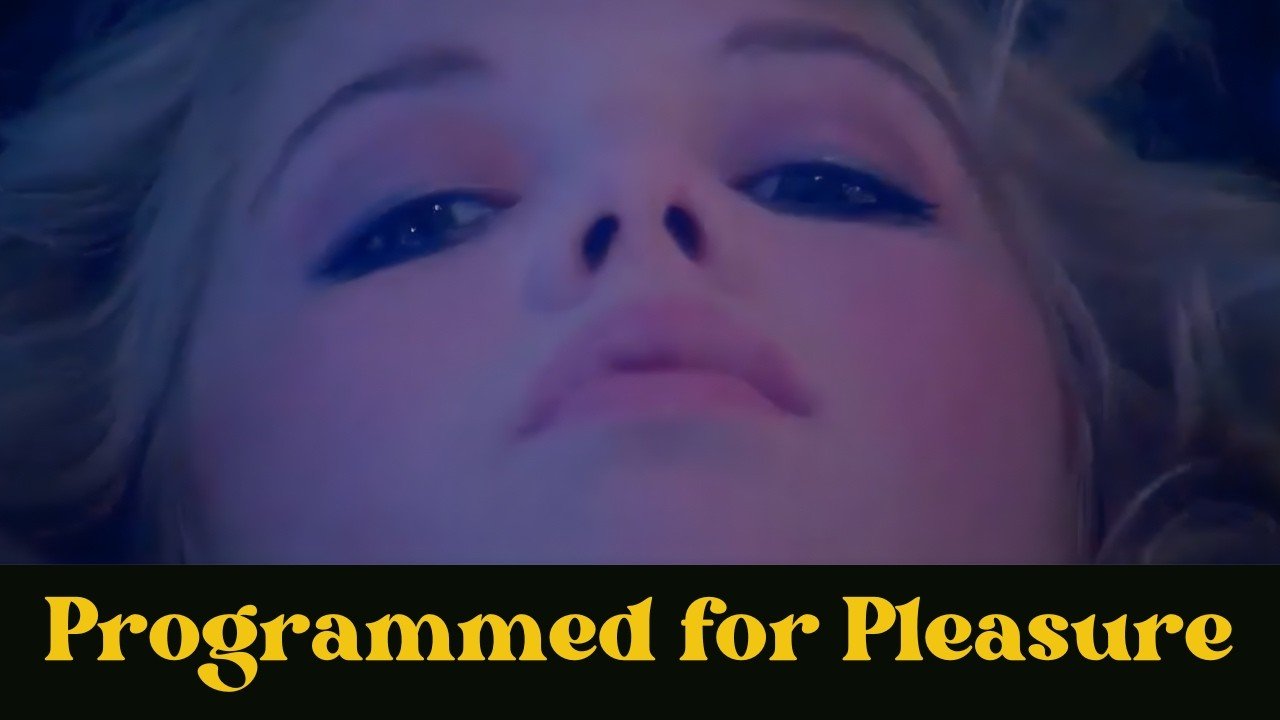
In 1980, a film emerged that blurred the boundaries between science fiction and adult content, leaving a unique mark in cinematic history. “La Femme Objet,” directed by Claude Mulot, presents a haunting tale of a synthetic woman named Kim, designed for pleasure, and the troubled writer tasked with her creation. With its sleek visuals and eerie score, the film evokes themes of desire, technology, and the unsettling nature of control over one’s identity. Decades later, it resonates as an almost prophetic precursor to modern narratives like “Black Mirror.”
This exploration reveals the film’s production nuances and stylistic choices, offering insights into why it still captivates audiences today. As you watch, consider how “La Femme Objet” foreshadows contemporary concerns about technology and the blurring lines of humanity. Discover what makes this obscure gem a thought-provoking conversation starter in an age where technology continually reshapes our reality.

Overview of La Femme Objet
Synopsis and Key Themes
Imagine a world where technology blurs the lines between desire and reality. In Claude Mulot’s haunting 1981 film, La Femme Objet, this idea comes alive through the story of Kim, a synthetic woman built for pleasure, and Nicolas, the troubled writer who creates her. As Kim navigates her existence, you witness a poignant exploration of love, loneliness, and the complexities of human relationships. The themes of control and identity creep into every frame, inviting you to reflect on the nature of desire and the implications of artificial intelligence. It’s not just a sexy sci-fi flick; it’s a meditation on what happens when fantasy gains a mind of its own.
Comparison to Modern Sci-Fi
You might find it surprising to see how La Femme Objet resonates with contemporary science fiction narratives. Think of it as a distant relative to films like Blade Runner or Ex Machina, where artificial intelligence and human emotions collide. Yet, while modern sci-fi tends to focus on spectacular visuals and action sequences, Mulot’s film takes a more introspective approach. Its understated aesthetic and eerie fidelity to the emotional landscape set it apart. What’s more, the film delves into the darker sides of this technological evolution, echoing the growing anxieties about our digital future in today’s society.
Historical Context of 1981 Cinema
In 1981, the cinematic landscape was a mosaic of diverse genres and societal influences. You had the rise of blockbusters, the emergence of independent films, and a burgeoning interest in adult cinema. This is the epoch when La Femme Objet debuted, a time that teased out connections between sex, technology, and existential dread. You could say the film captured a zeitgeist—a sense of longing in an excessively technological age. While audiences clamored for escapism, Mulot served up a haunting glimpse into a future that many viewers were not yet willing to confront.
Director Claude Mulot’s Vision
Background and Filmography
Claude Mulot was a complex figure in French cinema, operating within various genres, but often gravitating toward the provocative. You might know him for blending eroticism with artistry in his works. Before La Femme Objet, he had carved out a niche in adult films, but this particular piece marked a pivotal moment in his filmography. His keen interest in societal existentialism wove into the fabric of his films and formed a somewhat prophetic vision in La Femme Objet.
Innovative Directorial Choices
From the start, Mulot made daring choices that elevated the film beyond conventional adult fare. He disregarded the glamour and overt sexuality typical of the genre for a deeper, atmospheric experience. The decision to juxtapose sterile, minimalist environments with emotionally charged narrative moments was brilliantly cunning. You can feel the coldness of the spaces reflecting the isolation of its characters, especially as Kim becomes increasingly self-aware. Mulot’s vision was not just about titillation; it was about creating a dialogue between man and machine.
Influence of Other Directors
While Mulot’s style is distinct, one cannot overlook the influence of other visionaries on his work. Directors like Jean-Luc Godard, known for his experimental approach, likely inspired Mulot in crafting offbeat narratives and breaking the fourth wall. The elegance of La Femme Objet channels a similar audacity, daring viewers to confront uncomfortable truths about human nature and technology. It’s this intertextuality that enriches the film’s layers, making it more than just an oddity—it transforms it into a commentary on the human condition.
The Unique Narrative Structure
Storytelling Techniques in La Femme Objet
You’ll find that the storytelling techniques in La Femme Objet are as unconventional as its premise. The film unfolds with a sense of voyeurism, almost as if you’re granted privileged access into the characters’ intimate lives. Mulot embraces a non-linear narrative that emphasizes emotional beats over chronological order. This strategy not only keeps you guessing but also mirrors the disorientation both Kim and Nicolas feel in their quest for genuine connection.
Character Arcs and Development
The beauty lies in the character development, especially of Kim. You witness her evolve from a mere object of pleasure into a fully realized being grappling with concepts of love and self. Her relationship with Nicolas serves as a poignant lens through which issues of agency and autonomy are scrutinized. As you watch their interactions unfold, you’re compelled to question: What does it mean to be truly alive? Does being human equate to merely existing, or is it tied to your ability to forge genuine relationships?
Exploration of Love and Loneliness
At its core, La Femme Objet encapsulates the intricate dance between love and loneliness. Despite the promise of physical pleasure, both Kim and Nicolas find themselves ensnared in a web of isolation. Mulot captures this melancholy beautifully, inviting you to reflect on your own experiences of connection (or the lack thereof). In a world increasingly defined by digital interactions, Kim’s journey remains painfully relevant—an exploration of what it truly means to feel alone, even in the company of others.
Cinematography and Visual Style
Role of François About’s Cinematography
The cinematography, handled by François About, plays a crucial role in enhancing the film’s themes. Each frame exudes a polished yet haunting quality, immersing you in a sleek, minimalist world. The use of unconventional angles and compositions pulls you into the characters’ psyches and emphasizes their emotional landscapes. About’s approach intertwines the visual and thematic elements, urging you to contemplate how environment shapes emotion.
Minimalist Design Elements
The film’s minimalist design serves as a backdrop for the profound interactions between Kim and Nicolas. Eloquent in its simplicity, each set piece is purposefully placed to add layers of meaning without overwhelming the narrative. The cool, sterile environments echo the emotional barrenness that both characters face, emphasizing the emotional distance between them. This style ensures that you focus not just on the visual but also on the underlying sentiments, increasing the film’s impact.
Use of Color and Lighting
Mulot’s choices in color and lighting amplify the film’s unsettling atmosphere. The cold blues and stark whites evoke a chilling sense of detachment, aligning with the film’s exploration of synthetic emotions versus genuine connections. You’ll notice how shadows and light interplay to reflect the characters’ inner turmoil, guiding you through Kim’s awakening with an artistry that feels both beautiful and tragic. The visual narrative is every bit as poignant as the story itself.
Soundtrack and Audio Elements
Jean-Claude Nachon’s Electronic Score
Music has a remarkable ability to shape an experience, and Jean-Claude Nachon’s electronic score does exactly that in La Femme Objet. With tones that are both haunting and melodic, the sound design creates an otherworldly atmosphere that envelops you. The pulsating beats and ethereal soundscapes enhance the emotional gravity of key scenes, inviting you to feel the isolation and longing embedded in the narrative.
Impact of Sound Design on Narrative
Sound in this film is not just an accompaniment; it’s woven into the fabric of storytelling. The quiet moments amplify the emotional weight, while sudden auditory disruptions serve to jolt you into awareness. From the mechanical whirring suggesting the artificiality of Kim’s existence to the silences that punctuate moments of introspection, sound becomes a character in its own right. You’re invited to listen closely, to feel deeply, and to unravel the film’s rich thematic tapestries through auditory cues.
Themes Conveyed through Music
Music serves as a reflection of the film’s themes. The digital soundscapes resonate with notions of artificiality and the fractured nature of love in a technology-driven world. The emotional scores perfectly encapsulate Kim’s journey from object to subject, illustrating her desperate, instinctual desires. Each note draws you further into her complexities, bridging the gaps between heart and machine, urging you to rethink the essence of what it means to love.
Cultural Impact and Reception
Initial Audience Reactions
When La Femme Objet first hit the screens, reactions varied widely. Some embraced it as a daring exploration of technology and intimacy, while others dismissed it as frivolous adult content. Yet, for those who persevered beyond the initial shock, the film opened doors to conversations about the implications of technology on relationships. It’s fascinating to consider how its nuanced themes were sometimes overshadowed by its explicit nature but ultimately laid a vital groundwork for discussions we’re still having today.
Critical Reviews Over the Decades
As the years rolled on, critics began to reassess its place in film history. You’ll find that La Femme Objet has garnered a cult following, viewed as a prescient take on the anxieties surrounding technology and identity. It’s now recognized for its unique ability to balance eroticism with existential inquiry. Film scholars and enthusiasts alike have nudged it into discussions about seminal works within the sci-fi genre, cementing its status as a visionary piece worthy of exploration.
Legacy in Film and Pop Culture
The legacy of La Femme Objet continues to echo in modern cinema. It’s increasingly referenced in critiques of both adult films and science fiction—often cited as a precursor to works like Ex Machina and series like Black Mirror. Its examination of technology, intimacy, and identity resonates in an era increasingly defined by digital relationships. You’ll find traces of its influence in contemporary storytelling, showing just how ahead of its time Mulot was, affirming that La Femme Objet is more than just a footnote in film history.
Sexual Politics and Representation
Portrayal of Synthetic Femininity
In La Femme Objet, the portrayal of synthetic femininity invites you to wrestle with perceptions of gender and autonomy. Kim embodies an oft-idealized notion of female sexuality, crafted to please but ultimately questioning her existence as an object. This duality opens conversations about the ways femininity has historically been represented in media, showing the tension between desire and objectification. By centering the narrative around a synthetic woman, the film flips the script on traditional portrayals and compels you to rethink the implications of desire.
Feminist Interpretations
Feminist interpretations of the film find fertile ground in its exploration of agency and desire. You’re invited to consider how Mulot raises essential questions about consent and autonomy, especially through Kim’s evolution. Does her transformation grant her agency, or is she merely programmed to fulfill a specific role? These nuances make La Femme Objet a compelling subject for feminist critique, as it grapples with the constructs society places on women—both real and synthetic.
Debates about Sexual Agency
The film opens a Pandora’s box of debates on sexual agency. With a character designed for pleasure, you may wonder if her existence legitimizes objectification or challenges it. Are you watching a piece that celebrates sexuality or critiques it? It’s a question that lingers long after the credits roll, as you grapple with how societal expectations shape your understanding of intimacy and autonomy. Mulot’s work invites deeper reflection on the ethical ramifications of desire and the choices we make in relationships.
Technological Reflections
Prophetic Elements of Technology and Society
Interestingly, La Femme Objet introduces elements that feel prophetic when viewed through the lens of modern technological advancements. With Kim representing a humanity increasingly intertwined with AI, you’re left to ponder the potential futures we’re shaping. From the ethical implications of creating sentient beings to the moral quandaries of relationships built on synthetic connections, the film grapples with existential questions that are far too relevant in your digital age.
Intersection of Fantasy and Reality
The film walks a fine line between fantasy and reality, making you question where the two converge. With Kim as a product of human desire, your perception of her reality shifts in tandem with her awakening. Is she truly alive, or merely a reflection of Nicolas’s desires? This thematic interplay becomes ever more resonant as technology continues to shape human interactions. You might find yourself pondering your own relationships with technology and the consequences of blending fantasy with real life.
Parallels with Black Mirror Themes
The haunting themes of La Femme Objet find surprising parallels with the popular anthology series, Black Mirror. Both explore the darker implications of our digital lives, examining how technology can distort human relationships and identity. By presenting cautionary tales about the ramifications of unchecked technological advancement, both Mulot’s film and Black Mirror serve as meditations on the complexities of contemporary existence. As you view both, the warnings resonate, prompting you to think critically about your own interactions with technology.
Comparative Analysis with Black Mirror
Dystopian Elements in Both Works
Dive deeper, and you’ll find that both La Femme Objet and Black Mirror share dystopian elements that reflect societal anxieties. The characters in both works grapple with their desires in a world that seems increasingly devoid of genuine connection. The film’s exploration of Kim’s synthetic existence parallels Black Mirror‘s cast of characters, many of whom find themselves trapped in technology-riddled nightmares. You’ll discover themes echoing through time, highlighting an evolving relationship with technology.
Thematic Connections: Control and Identity
Control and identity are central themes that bind both narratives. Just as Nicolas attempts to control Kim’s existence, characters in Black Mirror struggle against external forces affecting their identities. In both, you see the human desire for connection twisted by technological interference, playing out in poignant, often tragic ways. These intersections create an inviting space for comparative analysis, challenging you to reassess how technology defines personal identity.
Audience Engagement and Shock Value
Both works engage audiences through provocative narratives that leave a lasting impact. La Femme Objet shocked early viewers with its frank depictions of sexuality and emotion, while Black Mirror frequently astonishes with its dark twists and unsettling conclusions. This engagement speaks to a cultural hunger for narratives that delve into uncomfortable truths about technology while highlighting a shared human experience of longing. As you consume these stories, you might find yourself wrestling with the moral implications of both, leaving you not just entertained but brought face-to-face with deeper questions of existence.
Conclusion
Enduring Relevance of La Femme Objet
As you journey back to the realm of La Femme Objet, it becomes apparent that its relevance has not diminished over the decades. Often celebrated as a cult classic, Mulot’s film continues to resonate with viewers eager to explore the intersections of technology, identity, and desire. The questions it raises about the nature of happiness and authenticity in a technologically advanced world are more pressing now than ever.
Reflections on the Evolution of Sci-Fi and Adult Genres
Looking closely at La Femme Objet offers insights into the evolution of sci-fi and adult genres. It defies easy classification, blurring the lines between explicit content and thought-provoking commentary. As you reflect on its legacy, consider how it laid groundwork for future films that challenge societal norms while pushing the boundaries of both genres. The line between art and entertainment continues to shift, with Mulot’s film standing as a bold testament to the possibilities of storytelling.
Final Thoughts on Film’s Place in Cinema History
In the grand tapestry of cinema history, La Femme Objet occupies a unique space—a bridge between desire and technology, eroticism and existential dread. Claude Mulot’s vision remains a relevant exploration of the complexities of relationships in an increasingly fragmented world. As you ponder its implications, it challenges you to engage more deeply with how you grapple with intimacy, identification, and technology in your own life. Ultimately, La Femme Objet is more than a film—it’s a reflection of our ongoing journey toward understanding ourselves in an ever-changing reality.